
Predictive
Predictive maintenance and condition monitoring
Predictive maintenance means giving up the calendar and intervening on condition instead. The equipment warns you before it fails; the work is having the system that hears the warning.
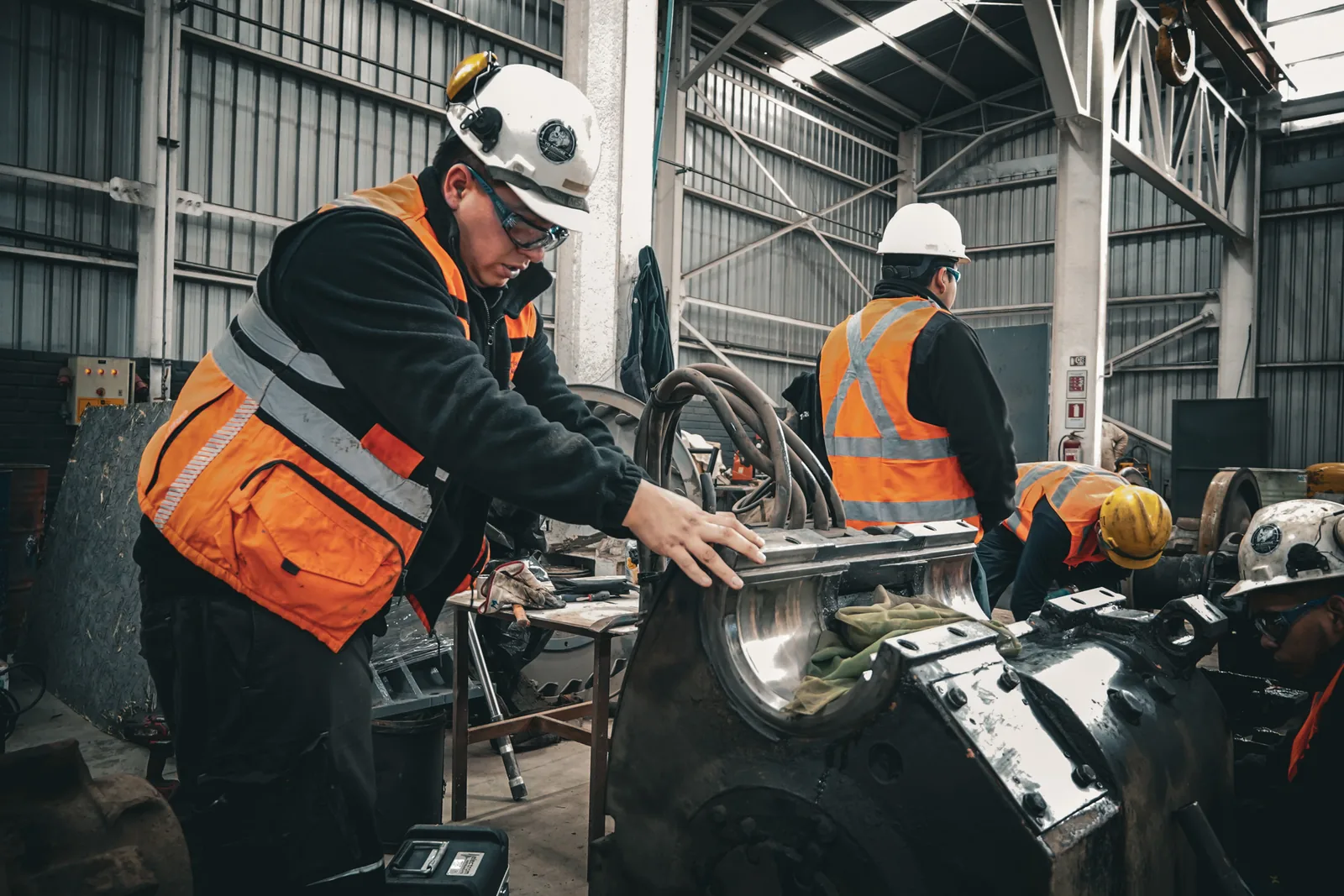
Predictive maintenance with engineering judgment
Corrective maintenance repairs what has already broken. Preventive maintenance intervenes by hours or by date, whether the equipment is healthy or not. Predictive maintenance does something different: it measures the real condition and schedules the work exactly when the evidence justifies it.
For that to work you need three things: a baseline, comparable periodic measurements and someone able to read the trend. We bring all three, with instruments and with engineering judgment built on more than 3,000 critical assets recovered.
The output is not one more report: it is an early decision. Knowing weeks in advance that a bearing is going to reach its limit means buying the spare, scheduling the window and avoiding unplanned downtime.
Scope
What the service includes
Asset baseline
An initial measurement that defines the healthy reference state against which everything that follows will be compared.
Periodic measurement routes
A measurement program with a frequency set by criticality, to build a trend rather than a set of isolated snapshots.
Vibration analysis
Spectrum tracking to detect imbalance, misalignment, looseness and bearing degradation.
Thermography
Periodic temperature checks on windings, connections and mechanical components.
Trends and alerts
Comparison against the baseline to anticipate when a variable is going to cross its critical threshold.
Intervention plan
A recommendation on when and what to intervene, prioritized by impact on operational availability.
How we work
The process, step by step
- 01
Criticality
We define which assets enter the program and at what frequency.
- 02
Baseline
We measure the healthy reference state of each machine.
- 03
Tracking
We run the routes and build the asset's real trend.
- 04
Anticipation
We raise the alert and schedule the work before the machine stops.
When it applies
Signs that you need this service
- Unplanned downtime repeats every season
- Work is done by calendar without knowing whether the equipment needed it
- Critical spares are always missing when they are needed
- There is no comparable measurement history for the asset
- Availability is below target and nobody knows why
- Maintenance cost is rising without reliability improving
Predictive maintenance
Frequently asked questions
What is the difference between preventive and predictive maintenance?
Preventive maintenance intervenes by calendar or operating hours, whether the equipment is healthy or not. Predictive maintenance measures the asset's real condition and schedules the work when the evidence justifies it. Preventive overspends on healthy machines and arrives late to sick ones; predictive matches the work to the condition.
How often do measurements have to be taken?
It depends on the criticality of the asset and the severity of its duty. A critical machine in continuous operation is measured far more often than a redundant one under light load. The frequency is set when the program is built, not before.
Is it worth it for a small fleet?
Yes. Predictive maintenance does not require a large fleet, it requires assets whose downtime hurts. If a single machine out of service halts production or transport, the program pays for itself by preventing one failure.
How long before it shows results?
The first value appears immediately with the baseline, which usually reveals findings nobody was seeing. The greater value, anticipating failures from the trend, takes several successive measurements, because a trend is built by comparing.
You may also need
Related services
Diagnostics and symptom analysis
Diagnosis of the real condition of motors and rotating equipment: electrical testing, thermography, vibration analysis and symptom analysis to anticipate failure before downtime.
Maintenance engineering
Maintenance plans built on criticality and operational evidence: root cause analysis, per-asset strategy and availability indicators. Truck Energy's Confiabilidad 360° framework.
Rotating electrical equipment
Repair and maintenance of generators, alternators and industrial electric motors: rewinding, VPI, balancing and testing. Rail, mining, ports and industry in Chile.
Let us talk about your equipment
Tell us which piece of equipment concerns you and we will arrange a conversation with our engineering team.